Core Product Features of Modern Smart Elevators Lead the Vertical Transportation Revolution
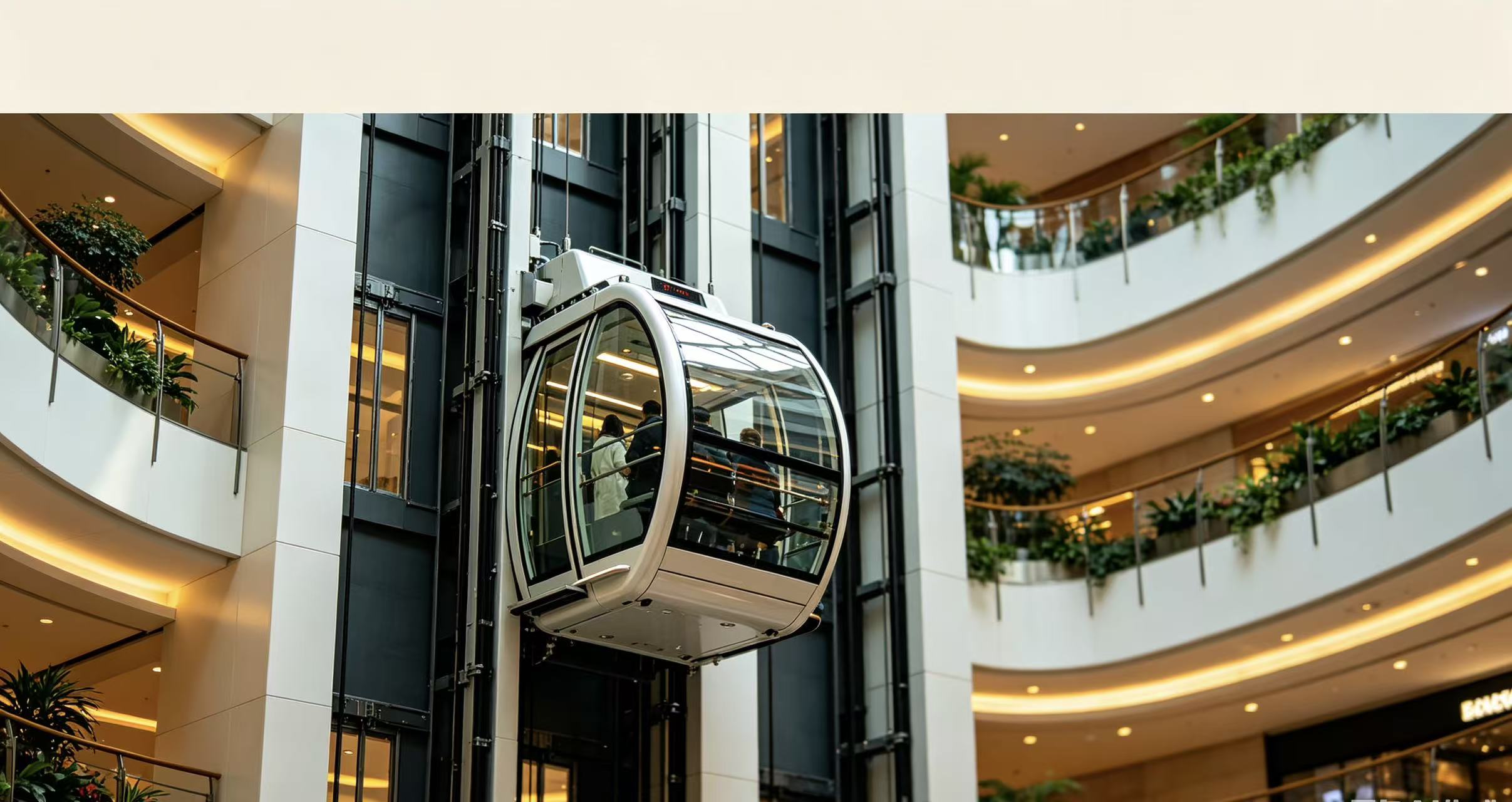
English: Panoramic sightseeing elevator in office building matched with IoT monitoring interface elements, full of technological sense, highlighting digital and intelligent upgrading advantages of vertical transportation equipment.
New Elevator Features Fully Upgraded: Safety, Intelligence, and Energy Efficiency Redefine Vertical Mobility Standards
July 9, 2026 — With the accelerated development of high-quality residential projects, commercial complexes, and urban renewal initiatives, a new generation of intelligent passenger elevators is entering the market. Compared to traditional models, these upgraded products have undergone comprehensive technological advancements in five core areas—safety protection, intelligent interaction, green energy efficiency, spatial adaptability, and comfort—delivering integrated vertical transportation solutions for diverse applications including residential buildings, office towers, shopping malls, hospitals, and renovations of older communities.
1. Multi-Layer Active Safety Features Ensure Round-the-Clock Operational Protection
Safety remains the foundational attribute of elevator design. The new elevators are equipped with SIL3-level hardware systems—the highest safety standard—creating a dual-layer protection framework combining proactive early warning and passive safeguards.
**AI-Powered Full-Range Security**
The cabin features a built-in Time-of-Flight (ToF) visual detection system that automatically identifies electric vehicles, batteries, and large hazardous items. If an e-bike enters the cabin, the elevator immediately locks, triggers voice alerts, and sends real-time notifications to property management. This prevents fire hazards at the source. The system also detects and intervenes in overloading, passengers leaning on cabin doors, or jumping inside the cabin.
**End-to-End Hardware Protection**
Standard equipment includes Unexpected Cabin Movement Protection (UCMP) and absolute position tracking, enabling precise real-time location monitoring to prevent slippage or misalignment between floors. Triple braking protection via steel cables, safety clamps, and buffers, combined with redundant circuit designs, ensures automatic leveling and door opening at the nearest floor during power failures, minimizing entrapment risks.
**IoT-Based Proactive Alerts**
Integrated with a dedicated cloud platform, the elevator continuously collects operational data from key components such as traction machines, door units, control cabinets, and guide rails 24/7. AI algorithms predict potential issues like bearing wear and wiring degradation, enabling predictive maintenance. This reduces equipment failure rates by over 55% and significantly lowers the risk of passenger entrapment.
**Comprehensive Emergency Support**
Standard features include five-party intercom, HD video calling, and one-touch SOS emergency calls. In case of power outage, an automatic leveling device activates backup power to stop the elevator smoothly at the nearest floor. Standardized ventilation channels are pre-installed in the cabin to prevent oxygen deprivation during entrapment.
2. Intelligent Interaction Across All Scenarios for Seamless Riding Experience
Intelligence has become a hallmark feature of next-generation elevators, integrating building access control, visitor management, and community operations into a seamless, contactless, and personalized experience.
**Multimodal Contactless Call**
Supports multiple call methods including 3D facial recognition, NFC Bluetooth, voice commands, and QR code scanning—enabling fast identification even with masks. Residents approaching the elevator trigger automatic calls to their floor; visitors gain direct access to their destination floor via authorized access control without manual button pressing.
**Smart Group Control System**
Utilizing neural network algorithms, the system dynamically allocates elevators based on traffic patterns—such as rush hours, lunch breaks, and nighttime—to minimize waiting times and unnecessary starts/stops. Peak capacity increases by 40%, while idle energy consumption drops significantly.
**Remote Digital Management**
Property managers and maintenance teams can monitor elevator status, fault logs, and maintenance schedules in real time via mobile or desktop platforms. Remote diagnostics and parameter adjustments reduce on-site service visits. Older buildings can upgrade affordably by retrofitting smart modules.
**Personalized Smart Cabin Configurations**
Equipped with high-definition multimedia screens displaying community announcements, weather updates, and public services, cabins also integrate air purification and adaptive dimming lighting that adjusts brightness according to occupancy. An elderly-friendly mode enlarges button fonts, reduces operating speed, and adds handrails and accessible control panels.
3. Green and Energy-Efficient Core Features Significantly Reduce Long-Term Building Operating Costs
All models come standard with permanent magnet synchronous gearless traction machines and regenerative energy systems, making energy efficiency a core competitive advantage aligned with green building and low-carbon city development goals.
**High-Efficiency Drive Saves Over 30% Energy**
Abandoning traditional geared motors, the permanent magnet synchronous traction machine achieves a transmission efficiency exceeding 95%, eliminating the need for regular lubricant replacement and avoiding oil pollution. During elevator descent and braking, generated electricity is recovered via an energy feedback system and fed back into the building's power grid, enabling annual energy savings of up to 2,500 kWh per elevator.
Low-Power Standby Design
When no passengers are present, the cabin lighting and fan automatically shut off after five minutes, switching to a low-power sleep mode. Long-life LED lighting consumes only half the energy of conventional fluorescent lamps, with a service life five times longer.
Lightweight Eco-Friendly Materials
The cabin and door frames use ENF-grade eco-friendly decorative panels, free from formaldehyde odor. Ultra-light carbon fiber traction ropes replace traditional steel cables, reducing motor load and further lowering power consumption, decreasing the equipment’s lifecycle carbon emissions by 11%.
Flexible Space Adaptability for New and Renovated Projects
The modular and compact design overcomes challenges posed by limited shaft dimensions in various buildings, significantly improving compatibility with existing construction.
Machine-Room-Less / Small Pit Solutions
Ultra-thin disc-type traction machines minimize space requirements, eliminating the need for dedicated machine rooms and freeing up dozens of square meters of usable floor area. Custom models with small pits and low-top floors are specifically designed for retrofitting elevators in older residential buildings and home-use conversions.
Customizable Specifications
Load capacity ranges from 450 kg for household models to 5,000 kg for freight and sightseeing elevators, with speeds available from 1 m/s to 3.5 m/s. Cabin dimensions, door width, and glass styles can be customized as needed—wider doors accommodate hospital beds and wheelchairs in hospitals and shopping malls.
Modular Quick Installation
Core components are integrated into a single unit, reducing on-site assembly steps by 30% and shortening construction time. Standardized, interchangeable parts make future maintenance and component replacement more convenient.
Quiet Comfort and Human-Centered Design
Structural optimizations address common resident complaints about vibration and noise, while meeting the needs of elderly users, children, and people with disabilities.
Multi-Stage Vibration and Noise Reduction
Door mechanisms and traction units feature composite anti-vibration pads and fully enclosed silent guide rails, keeping operating noise below 55 decibels for smooth, bump-free rides. The cable-free cabin design eliminates cable swing noise, greatly enhancing the riding experience in homes.
Comprehensive Accessibility Features
Cabin interiors include low-position control panels, non-slip flooring, foldable handrails, and high-volume emergency alarm speakers. Accessible elevators offer wider cabins suitable for wheelchairs and strollers, plus pet-friendly and child-safety operation modes.
Aesthetic Modular Decoration
Multiple cabin finishes—including stainless steel, wood grain, 3D color printing, and panoramic glass—are available to match interior styles in luxury residences, hotels, and office buildings, balancing functionality with architectural aesthetics.
Industry Insight: Five Key Features Define the Future of Elevator Upgrades
Industry technical experts note that elevators once served merely basic vertical transportation needs, but today’s market demands have shifted toward safety, intelligence, low-carbon efficiency, and flexible spatial integration. Future elevator products will increasingly incorporate digital twin technology, inspection robots, and smart building integration, evolving from simple transport devices into core components of smart communities and green buildings.
For real estate developers, property managers, and renovation projects, next-generation elevators with multiple advanced features not only reduce long-term electricity and maintenance costs but also enhance property value and resident safety. They are becoming the standard choice for urban renewal and new construction projects.