
Deeply Cultivate Vertical Transportation, Inspire Quality Life - A Comprehensive Analysis of the Core Value and Scene Solutions of Modern Elevators
Today, we will comprehensively analyze the technological iteration, scene adaptation and service guarantee of modern elevators, helping you understand how high-quality elevators create long-term value for different scenes and unlock new possibilities for vertical transportation.
I. Technological Innovation: Dual Drive of Intelligence and Greenization, Reshaping the Vertical Travel Experience
With the rapid development of science and technology, the elevator industry is undergoing a transformation centered on "intelligent upgrading and green energy conservation", which completely breaks the functional limitations of traditional elevators and makes travel safer, more efficient and more comfortable.
1. Intelligent Empowerment, Making Travel More Efficient and Convenient
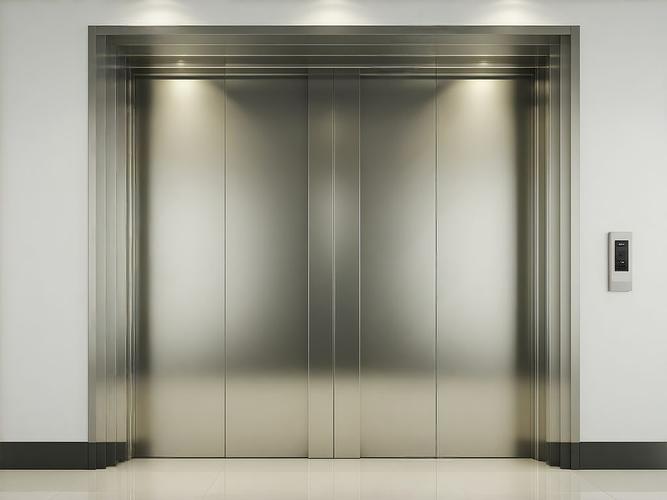
Modern elevators have long bid farewell to the single mode of "button calling" and integrated cutting-edge technologies such as 5G Internet of Things, AI group control and digital twin to achieve full-process intelligent upgrading. Elevators equipped with intelligent group control systems can automatically optimize elevator routes by analyzing passenger flow data, improving transportation efficiency by 35% during peak hours and effectively reducing waiting time; the AI predictive maintenance system can real-time monitor the operation status of elevators, early warn of potential faults, shorten the fault response time to the minute level, greatly reduce the risk of being trapped, and make every trip safe and worry-free.
Aiming at the needs of different groups of people, the intelligent design is more humanistic: home elevators support voice call, gesture control, child safety lock and other functions, which are easy to operate and understand; commercial building elevators can be linked with access control systems to realize card-swiping call and floor permission control, taking into account both safety and efficiency; medical elevators are equipped with emergency priority functions, which can automatically clear the elevator and reach the designated floor first when an emergency call is made, striving for valuable time for life rescue.

2. Green Energy Conservation, Practicing the Concept of Dual Carbon Development
Under the guidance of the "dual carbon" strategy, green energy conservation has become the core development trend of the elevator industry. At present, mainstream elevators all adopt permanent magnet synchronous traction machine technology. Compared with traditional asynchronous motors, the power saving rate can reach 22%-30%, and the operation noise is lower. Some high-end products have an operation noise ≤ 45 decibels, which has passed the authoritative SGS test, creating a quiet and comfortable travel environment for users.
In addition, the popularization of energy feedback technology allows the electric energy generated by the elevator during braking to be fed back to the power grid, realizing energy recycling; functions such as automatic car lighting and frequency conversion speed regulation further reduce energy consumption. An energy-saving elevator can save more than 12,000 yuan in electricity bills every year, which not only reduces the operation cost for users, but also contributes to the cause of environmental protection, truly achieving a win-win situation of economic and social benefits.
3. Safety Upgrade, Building a Solid Bottom Line for Travel Protection
Safety is the core mission of elevators. Modern elevators have realized multiple redundant protections in safety design, strictly following national and international safety standards such as the "Safety Code for the Manufacture and Installation of Home Elevators" (GB/T 21739-2021) and European EN 81-41, ensuring elevator safety in all aspects from technology to craftsmanship.
Core safety configurations include: SIL3 level contactless control technology, with trapped rescue response time ≤ 30 minutes in urban areas; triple buffer devices, with top/bottom collision protection response time ≤ 0.3 seconds; anti-pinch doors, emergency braking, ARD power failure emergency leveling and other devices, ensuring that the elevator can operate safely and rescue quickly in extreme cases. Some enterprises have also built aerospace-grade test towers, and through thousands of rigorous tests, the elevator failure rate is controlled below 0.1%, guarding every trip with technical strength.
II. Full-Scene Adaptation: Customized Solutions to Meet Diverse Needs
Different scenes have significant differences in elevator needs. High-quality elevator brands achieve full-scene coverage from home use to industrial use, from low-rise to super high-rise through modular customization and scene-oriented R&D, accurately solving the core pain points of various industries.
1. Residential Scenario: Quiet and Comfortable, Adapting to Diverse House Types
Residential elevators focus on "comfort, quietness and convenience". Aiming at ordinary residential buildings, high-end residential buildings and old houses, they adopt customized design to adapt to different floor heights and space sizes. For small-sized residential buildings, the compact elevator design can make full use of the space, without occupying too much public area; for high-end residential buildings, the elevator car is equipped with high-grade decoration, silent operation system and intelligent control functions, creating a comfortable and private travel experience for residents. At the same time, in response to the needs of old house renovation, the old house elevator renovation scheme with simple installation, short construction period and small impact on the original building structure is launched, helping the elderly and disabled groups realize barrier-free travel and improving the quality of residential life.
2. Commercial Complex Scenario: Efficient and Stable, Supporting Large Passenger Flow
Commercial complexes such as shopping malls and office buildings have the characteristics of large passenger flow, concentrated peak hours and high requirements for transportation efficiency. The elevators for commercial scenarios are equipped with high-load traction systems, which can bear 1000-2000kg of load, and the operation speed can reach 2.5-4.0m/s, effectively alleviating the pressure of passenger flow during peak hours. At the same time, the elevator can be linked with the mall's intelligent management system to realize functions such as floor positioning of stores and real-time monitoring of passenger flow, which not only improves the travel experience of customers, but also provides data support for the operation and management of the mall. The fire-fighting linkage function ensures that the elevator can be quickly transferred to the fire-fighting mode in case of fire, guiding personnel to evacuate safely.